
The Thrill of Uncertainty
The core of casino gaming lies in its inherent unpredictability, attracting players who seek excitement. The allure of not knowing whether one will win or lose creates an adrenaline rush. This psychological phenomenon, known as “variable reinforcement,” suggests that the unpredictability of rewards keeps players engaged. When they do experience a win, the brain releases dopamine, reinforcing the behavior and encouraging them to return for more. Additionally, resources like autismspeaks.ca can help individuals understand the psychological effects of various forms of gambling.

This uncertainty translates into a deeper emotional investment in the game. Players often find themselves caught in a cycle of hope and anticipation, where each bet holds the potential for a significant reward. This emotional rollercoaster can make the gaming experience addictive, as players chase that elusive next win.
The Social Aspect of Gaming
Another crucial factor in players’ continued return to casinos is the social environment they offer. Casinos are often vibrant social hubs where friends gather, and strangers become companions, all seeking shared experiences. The atmosphere is charged with excitement and camaraderie, making the act of gaming a communal activity rather than a solitary one.
Moreover, many casinos host events, tournaments, and themed nights, further enhancing the social experience. These gatherings foster a sense of belonging and community, encouraging players to return not just for the games, but for the interactions and relationships formed within the casino walls.
The Impact of Rewards and Loyalty Programs
Casino operators understand the psychology of their players and have implemented various rewards and loyalty programs to keep them coming back. These programs not only provide tangible benefits like cash back, free plays, or exclusive experiences but also create a sense of achievement and status among players. The more they play, the more rewards they accumulate, which reinforces their loyalty to the casino.
The psychology behind these rewards taps into players’ desire for recognition and validation. When players perceive that they are being rewarded for their loyalty, they develop a stronger emotional connection to the casino. This connection can lead to increased spending as players feel motivated to reach the next tier of rewards or unlock exclusive benefits.
The Role of Escape and Entertainment
For many, casinos serve as a form of escapism from the daily grind and routine. The vibrant lights, sounds of slot machines, and the thrill of gaming provide an immersive experience that allows players to forget their worries, if only for a short while. This psychological escape is a powerful motivator, as individuals seek to alleviate stress and find enjoyment in an otherwise hectic world.
Additionally, the entertainment aspect of gaming cannot be overlooked. From elaborate shows to engaging game variations, casinos offer an array of entertainment options that make the experience multifaceted and exciting. This combination of thrill and escapism makes casino gaming an attractive option for those looking to unwind and have fun.
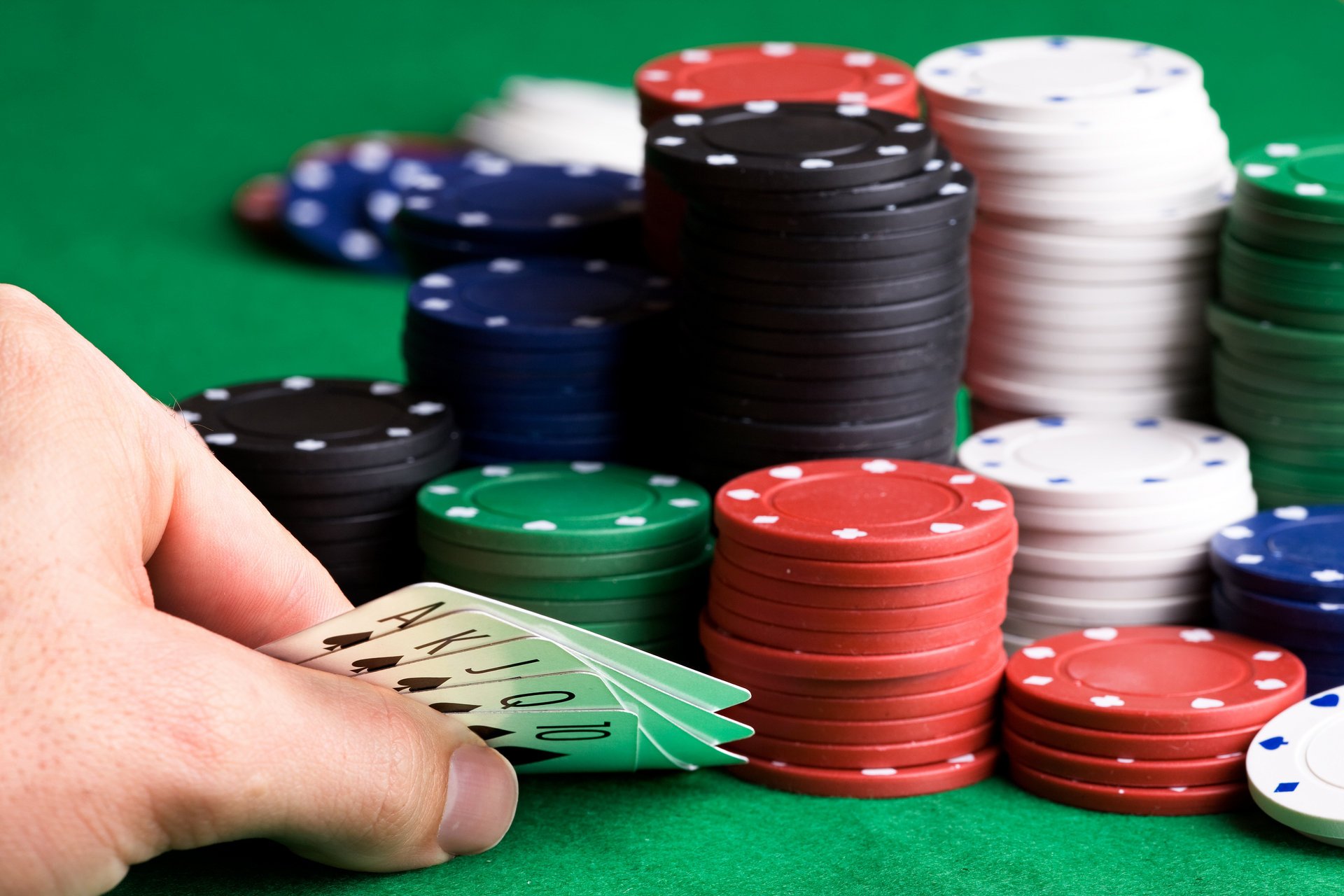
Conclusion: The Casino Experience
In summary, the psychology of casino gaming is complex and multifaceted. The thrill of uncertainty, the social interactions, the allure of rewards, and the escape from reality all contribute to why players continually return to casinos. Each visit is an opportunity to experience excitement, camaraderie, and the potential for reward, making casinos more than just places to gamble.
Understanding these psychological factors provides insight into the gaming experience and reveals why casinos thrive in a competitive entertainment landscape. As long as these elements remain, players will continue to flock to casinos in search of that next thrilling experience.